


When did the MMO become widespread?
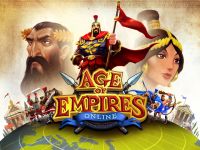
There was a time, not so long ago, when somebody who played an MMO was painted as the biggest geek; somebody who had no friends outside of the virtual realm, no chance at romance and the life prospects of a slightly used grapefruit. This image is very slowly changing, thanks in part to Felicia Day who’s both attractive and a gamer. But there’s also another reason that the image of the MMO gamer is changing, and I think it’s fair to blame Facebook.
The social game is perhaps not something many core gamers wish to admit is a rapidly growing subsection within our industry. We’ve sat up late with a Link to the Past, we’ve laughed and cried with Final Fantasy, we’ve been blown away by Shenmue and we’ve come into this generation with at least a few decades of history – suddenly everybody is a gamer and thanks to the addictive nature of Facebook, some of these people are playing more than we are.
But hidden beneath the cutesy animations of these games, behind the advertisements and the “your friend just did a mundane thing and wants everybody to know!” alerts, these are MMO games at their heart. They encourage more than interaction, but a reliance on others to get the most out of your journey (whatever that may be); they feature never-ending adventures during which you will make decisions and fight to be recognised amongst your peers. People take to Facebook in their millions to play these social games and most of them probably don’t realise they’re not a million miles away from the “geeks” many will have scorned.
Many of these people are willing to spend hour upon hour playing games through Facebook and, before Facebook, using sites like Miniclip and Newgrounds in order to satiate their need for interactive entertainment, but perhaps they wouldn’t ever consider playing an actual game or joining an MMO community. That would take too much effort, too much money, both things that many are putting into their social games tenfold.
But what’s stopping them from making the leap into MMOs and wider genres of video games? There are several reasons: the perceived stigma, the perceived time constraints, the misunderstanding of what a game is and what its purpose is. Each are big blocks on that switch into gaming, all come not from the medium itself but from a general lack of knowledge. For instance, a girl I went to school with plays a lot of social games. Each time I log into Facebook I’m met with multiple invites to cook with her, give her farming utilities and share in her Sim’s social lives – this is a girl I haven’t spoken with in at least 6 years.
And yet hardly a day goes by without her complaining that her boyfriend is playing Skyrim, or Modern Warfare 3. She spends hours playing games on Facebook, but her partner is a “loser” for having an interest in another form of gaming. She comments widely on the latest music, the latest films and the latest reality TV shows, but a video game is one step too far. The most obvious answer would be that none of her friends play video games and so she sees it as something largely done by people outside of her social circle, people who aren’t worth a place within her social circle.
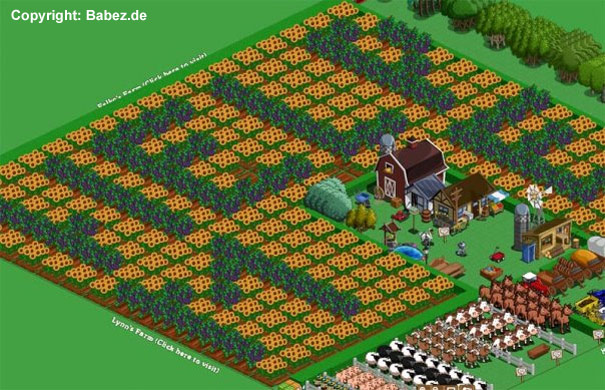
Whereas everybody she knows is playing the social games on Facebook, making her time spent on Farmville a norm. She uses it as a way to interact with her friends, a way to group together towards a common goal. It doesn’t matter that she doesn’t have a job, that she doesn’t often leave the house – stereotypes often associated with gaming addicts – the important thing is that she isn’t spending hours every day playing proper games.
And this is where the misunderstanding as to what a game actually is comes in. This is part in thanks to mainstream media who do nothing but report on the latest shooter, the latest murder inspired by late nights playing Grand Theft Auto, the latest controversy. The general public don’t realise that gaming has become more immersive than film, more open than the novel – they don’t realise that it is becoming a form of entertainment that is actually worth their time and money. Why spend £30/$50 going to the cinema when you could spend a fraction of that on a 20 hour game, something like Borderlands would keep you going for days and is great fun when played with a friend.
That’s not a game many non-gamers will have heard of, they know that you run around killing people for points in Grand Theft Auto, that Mario and Sonic are kids games and that anybody above the age of 15 who still plays anything but an instrument in a band is immature and needs to grow up. They will quite happily say this while watching the final of the X-Factor and building a barn in Farmville. Games don’t have stories; they have leaderboards and senseless violence. They don’t have vast worlds to explore; they have levels with flags at the end.
With a little time and effort, time and effort most are already putting into their social games, they could discover a vast range of titles that could quite literally enrich their lives. They could stop playing laggy flash games and see what this industry is really like – imaginative, talented and just on the verge of something new and exciting.
I don’t mean to sound overly harsh on social gaming, my intention with this article was to describe why social gaming is a good thing and that, as the industry continues to evolve, we will see social gaming merge into almost every other genre. This isn’t the bad thing that it seems, it’s much harder for your parents to criticize your choice of hobby if they both spend hours and hours playing Popcap’s facebook offerings.

It’s profitable despite being free to play - cash is something developers need desperately - and it DOES bring people together. It might not give you the options offered by World of Warcraft but it offers an MMO experience to people that would never play an MMO. And, as Facebookers clamour for the latest and greatest social experience, more actual MMOs are making the switch to the platform, 1100AD being the first to spring to mind.
Social gaming isn’t the curse some people believe it to be, although Civ and Age of Empires fans are welcome to grumble, and at the very least it’s bringing the amount of people who say “I’d never touch a video game” down. With the announcement that Yoshifusi Hayama, producer on the Last Guardian, wants to create the first social gaming masterpiece, perhaps it will continue to grow into something that bridges non-gamers and the core.
© 2011 - DevilsMMO.com

 | or Login/Register
Go MMO on Twitter
Follow us for fantastic MMO giveaways, contests and all the latest news and reviews for the newest MMO games in 2013.




Comments
Post new comment